Locating in the Permian Basin
Metallic and non-metallic lines
Responsive to your timeline
Field-proven experience
No sharp tools near the line means far lower risk of strikes and injuries.
See each line's true depth and position, not an estimate.
Clear soil quickly with less labor, less backfill and less site cleanup.
Measurements, photos and notes from every hole, ready for your engineers.

Our own technicians mark the lines first, so every hydrovac hole is placed with purpose.
Operators adjust water pressure to the soil and line type to protect coatings and fragile utilities.
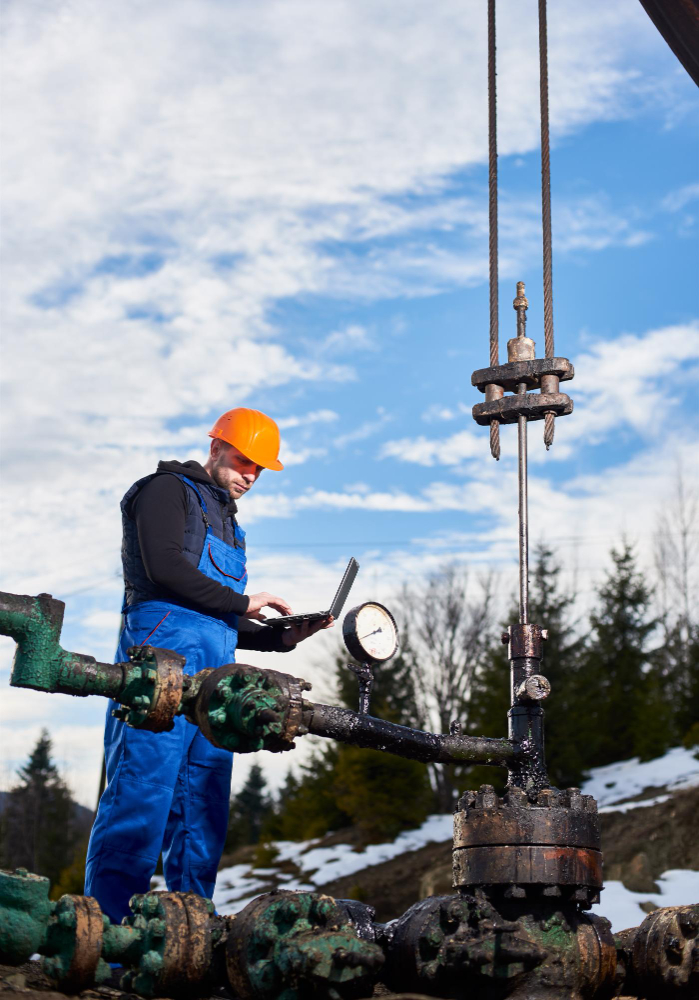
Locating, mapping and excavation from one company keeps your schedule simple.
Spoils go straight into the debris tank, leaving a tidy site and easy backfill.
Pipeline crossings, tie-ins and pad construction
Potholing before directional boring
Daylighting and crossing verification
Water, sewer and road projects
Repairs and maintenance near live lines
Safe digging on crowded sites
It’s a digging method that uses pressurized water to loosen soil and a vacuum to remove it. It exposes buried utilities without the damage risk of mechanical digging.
Pipeline crossings and tie-ins, potholing, pole holes, slot trenching and any dig close to buried lines. It’s common in oil and gas, utilities, telecom and construction.
Excavation depth depends on soil conditions, equipment capabilities, and project requirements. Our hydrovac equipment can reach depths of up to approximately 30 feet. Most utility potholing projects fall well within this range.
It’s the safest excavation method for most buried lines because pressure is controlled and nothing sharp touches the utility.
Yes, the terms are often used interchangeably. Hydrovac uses water to break up soil; some vacuum excavation uses air instead.
Yes. We record depth, measurements and photos for each exposed line, and can add GPS data to your utility map.